
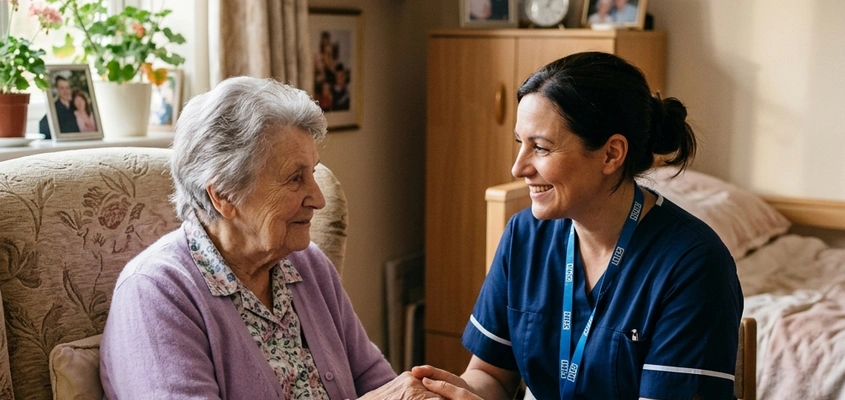
Palliative Care Staffing Care Homes 2026: Compassionate Support
Table of Contents
Delivering exceptional end-of-life care requires highly trained clinical professionals. To support residents and their families, managers must implement robust palliative care staffing care homes 2026 standards. This article details clinical competency requirements, CQC compliance rules, and strategic recruitment solutions.
1. Addressing Palliative Care Staffing Care Homes 2026
End-of-life care is one of the most sensitive services care homes provide. Meeting palliative care staffing care homes 2026 demands means securing registered nurses with advanced training in symptom control and emotional support. A stable, specialized team is vital to patient dignity.
Palliative care staffing requires proactive planning and collaboration with external clinical teams. Nurses must manage complex medication plans, communicate with GPs, and support family members. Fostering these clinical skills is essential for social care providers, ensuring that palliative care staffing care homes 2026 standards are met on every shift.
2. Required Clinical Competencies for End-of-Life Care
Nurses delivering palliative care must demonstrate specific clinical skills. These include managing syringe drivers, administering controlled drugs, and recognizing signs of active dying. Compassionate communication and emotional resilience are also key qualities.
According to the Nursing and Midwifery Council (NMC) standards, clinical teams must practice within their scope of competence. Care home operators must provide continuous clinical training and mentorship to support their staff. Ongoing education ensures high-quality clinical outcomes, which is a major factor in palliative care staffing care homes 2026 compliance.
3. CQC Compliance and Gold Standards Framework
The Care Quality Commission evaluates palliative care under the caring and responsive domains. Inspectors review care plans to verify that end-of-life wishes are documented and respected. Implementing the Gold Standards Framework (GSF) is a recognized method to show compliance.
Additionally, providers must show that staffing levels are sufficient to deliver intensive end-of-life support. Safe staffing is a CQC requirement on every shift. Having a reliable clinical staffing partner is essential to managing occupancy needs and meeting palliative care staffing care homes 2026 criteria.
4. Coordinating with Interdisciplinary Clinical Teams
Palliative care cannot be delivered in isolation. Care home staff must coordinate closely with local GP surgeries, community palliative care nurses, and local hospice teams. Efficient communication ensures that residents receive timely medication updates and pain relief.
Additionally, implementing shared care records helps prevent clinical errors during handovers. When all teams have access to the same care plans, care delivery becomes seamless and compassionate. Outstanding coordination is a key indicator of well-led services.
5. Sourcing Specialized Clinical Staff
Hiring registered nurses with palliative care experience can be challenging. Workforce Bridge matches care home operators with fully vetted, qualified nurses who specialize in end-of-life care. We verify NMC PINs, clinical training, and DBS clearances before placement.
Our clinical staffing specialists match candidates to the specific acuity requirements of your setting. Learn about our healthcare staffing solutions or contact Workforce Bridge to secure specialized support, resolving your palliative care staffing care homes 2026 needs.
6. Frequently Asked Questions
What is the Gold Standards Framework (GSF) in care homes?
The GSF is a training and quality improvement program designed to enable care home staff to deliver high-quality, structured end-of-life care for all residents.
How do we manage staffing levels for high-dependency residents?
Using an evidence-based resident dependency tool allows you to adjust staffing levels dynamically based on the clinical acuity of your residents.
Can care assistants support palliative care delivery?
Yes, care assistants play a vital role in providing personal care and emotional support under the supervision of a registered nurse.